Device Scale Direct Composite Functional Elastomer Printing
The Challenge
A major challenge affecting assistive technology is user comfort, especially when it comes to prosthetics, braces, and orthotics. One such example is the interface between a prosthetic socket and a user’s residual limb. Unfortunately, many current designs fail to manage shear stresses effectively which can result in skin damage, discomfort, and reduced wear life of socket liners. The lack of fully integrated and fully soft stress-tracking mechanisms at the device level continue to prove a barrier to improving comfort for users.
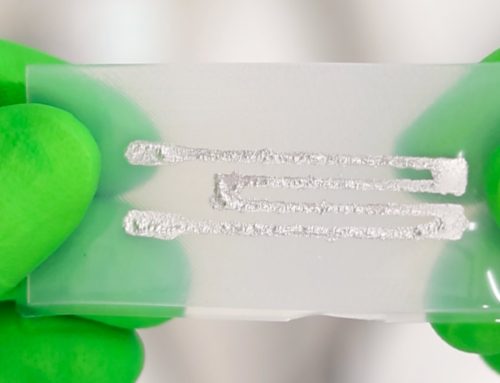
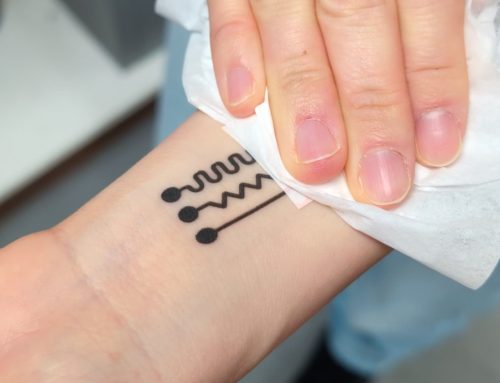
Soft sensors are available but current manufacturing techniques are unable to support scalable device integration. This is due to the fact that many liquid-based materials used in their fabrication require liquid syringe printing and are affected by issues like curing time and lack of support for additional layers in the construction of larger structures.
The Solution
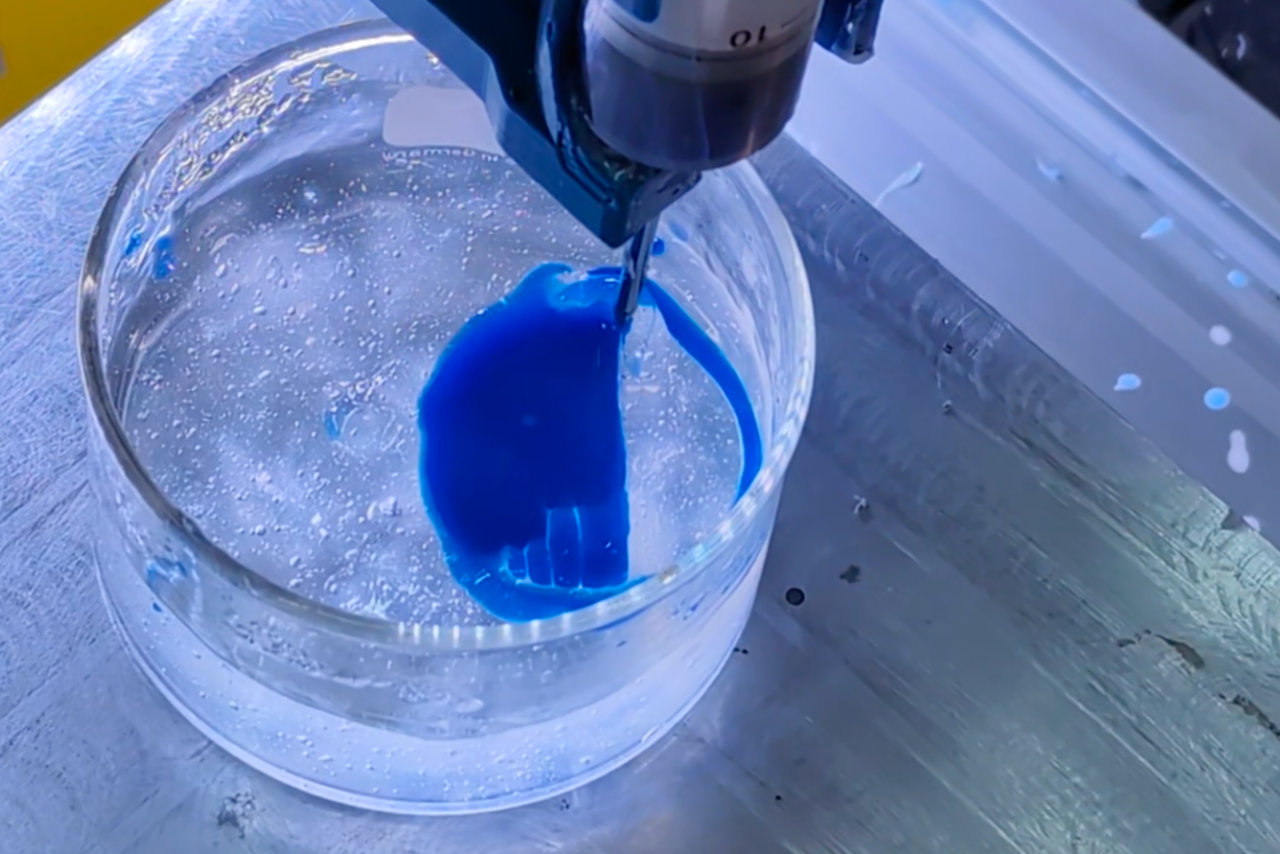
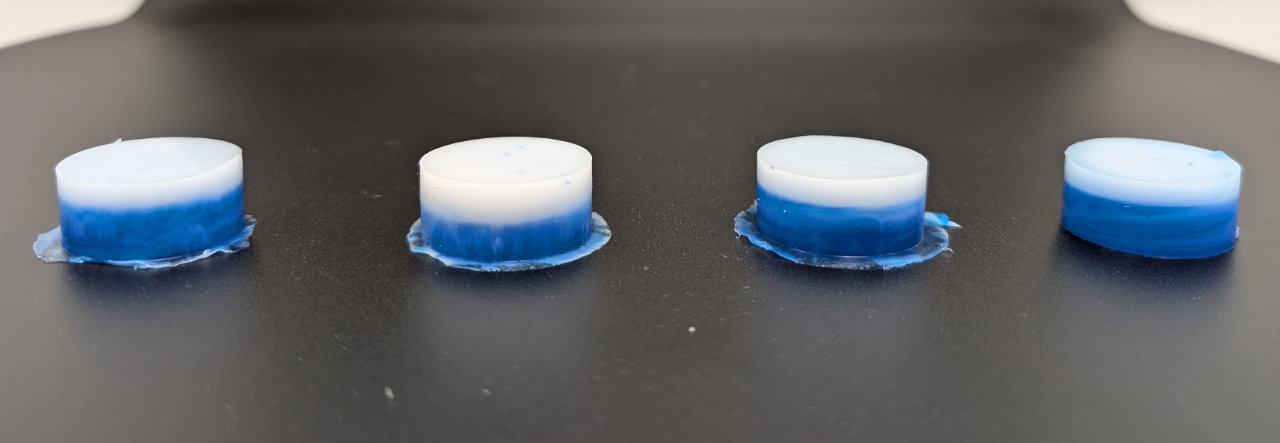
This project will seek a solution in the form of a novel rig that employs coaxial and triaxial syringe deposition into a supportive gel bath, allowing for the fabrication of complex sensing and functional structures. This will also provide the device-level form factors required for prolonged contact with the body. It will enable customised fabrication at scale, as sensors and functionally graded materials can be printed directly with the device as a single piece.
In seeking a solution to this problem, the team aims to create a framework for print parameters and printed material properties to support high-quality, multi-material sensor integration in devices. Reducing manufacturing steps in this way has the potential to enable the scalable fabrication of many innovative material technologies for human interfaces.
The project is led by Dr Ben Oldfrey, an Assistant Professor at University College London’s Global Disability Innovation Hub. The UCL-based team includes co-investigators Dr Elze Porte and Professor Mark Miodownik, as well as PhD student Christian Partik.
The project was successful in responding to the pro² network’s 2024 funding call ‘Materials for Digital Devices‘, which funded projects exploring the use of emerging materials, or novel applications of existing materials, for digital devices.