Laser-Induced Forward Transfer of Graphene for Interactive Devices
The Challenge
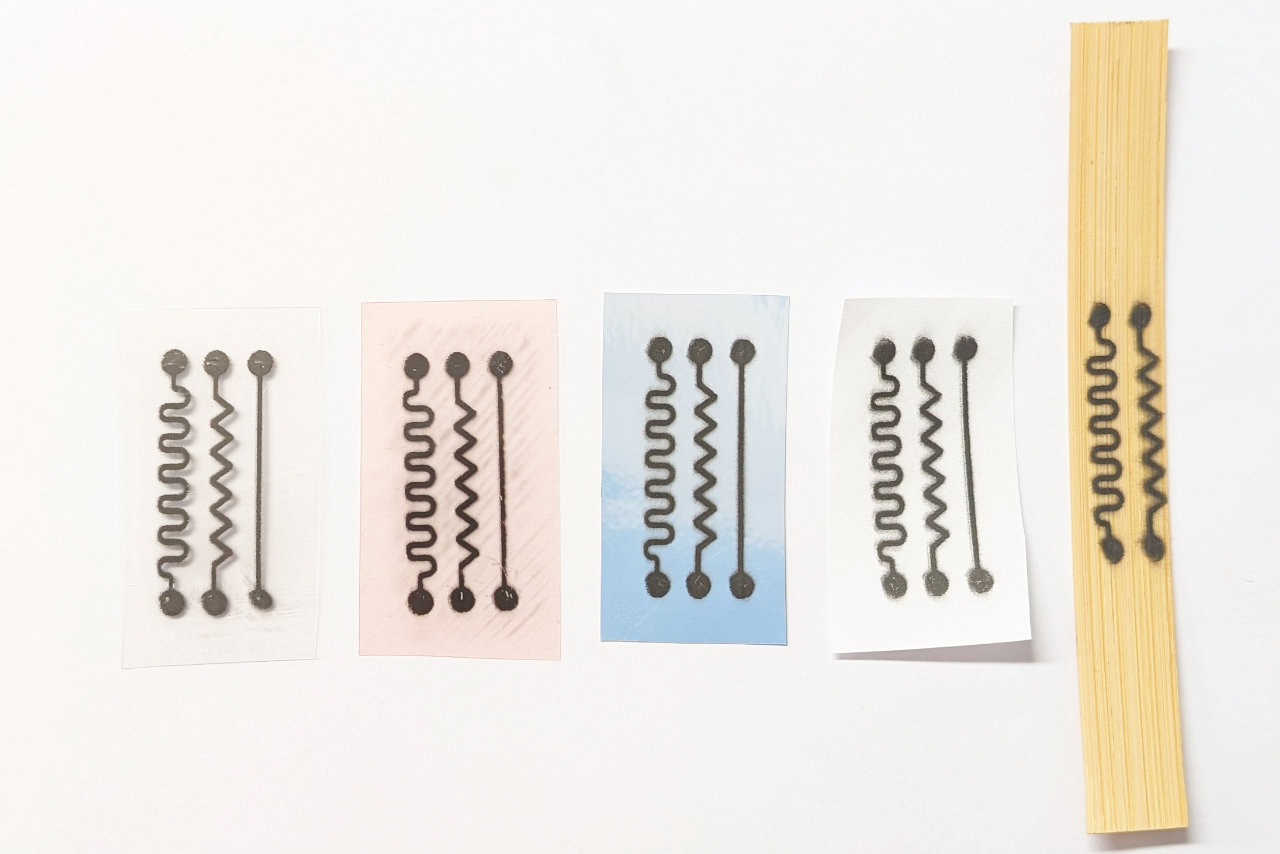
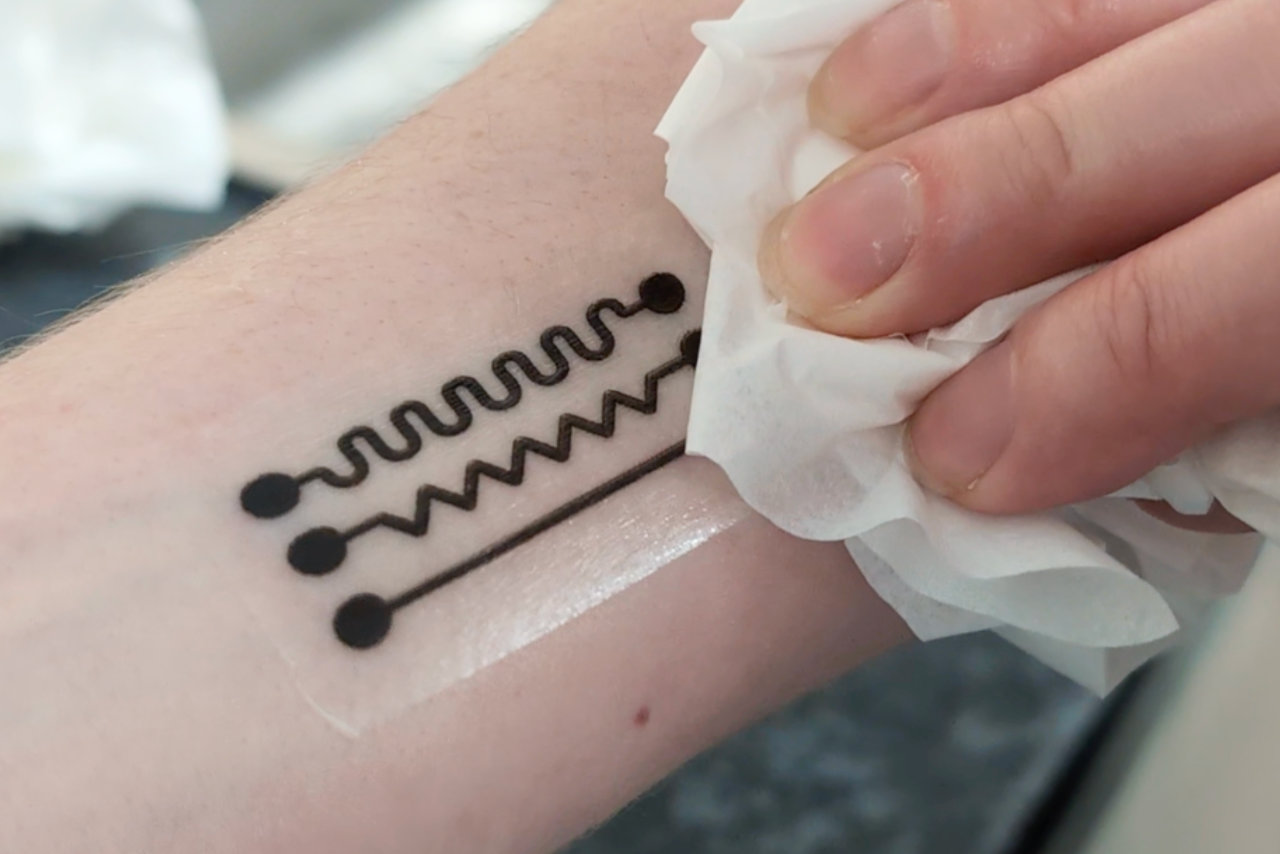
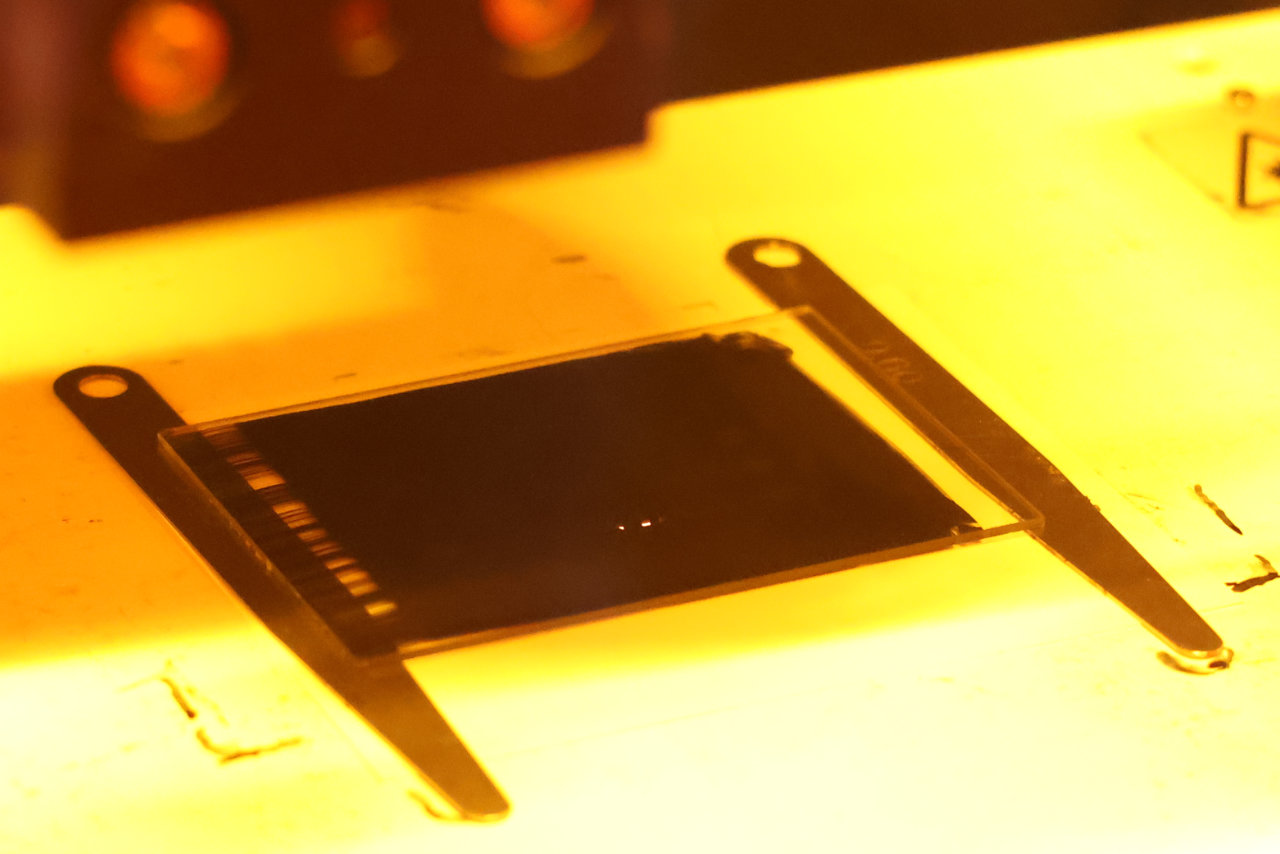
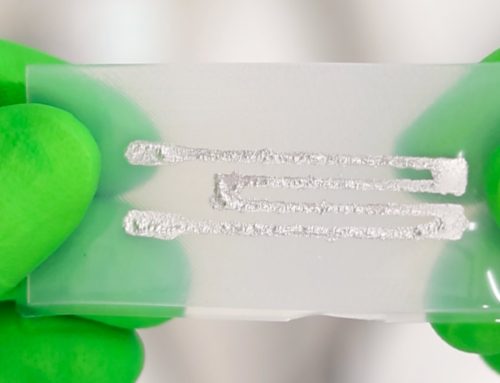
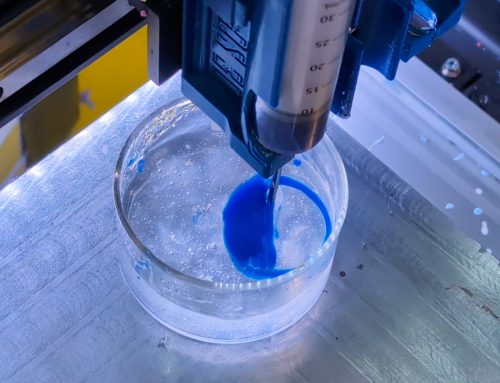
Laser-Induced Forward Transfer (LIFT) technology is a well-established laser-based nanomanufacturing technique. It works by selectively transferring nano-inks from a donor substrate to a receiver substrate. When using conductive ink, it can create electronic sensors, actuators, and connectors on almost any material, including glass, polymers, biocompatible materials, and paper.
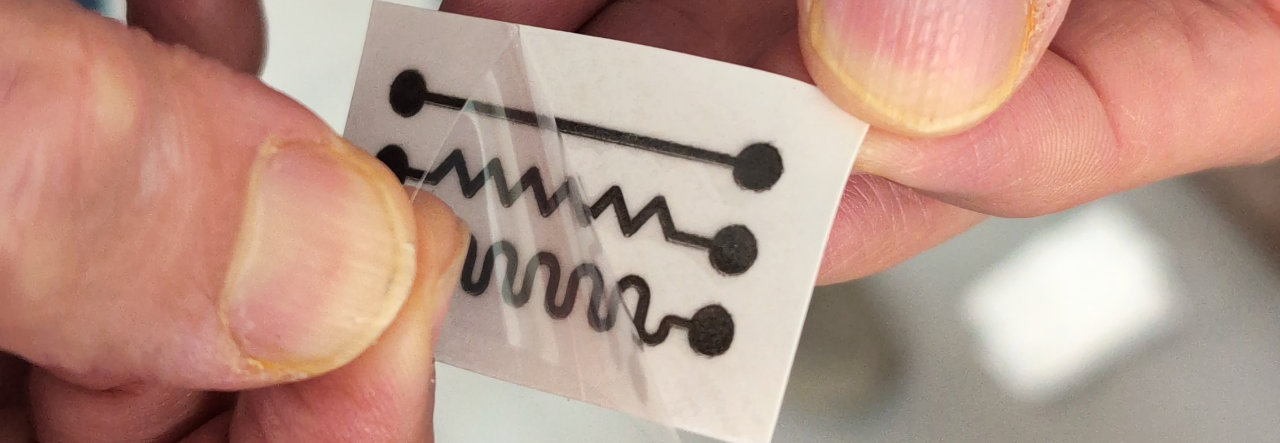
The Human-Computer Interaction (HCI) community have already been working with a wide variety of non-conventional materials to create digital devices. Examples include ceramics, PDMS (a type of silicone polymer), and bacteria cultures. LIFT technology has the potential to further accelerate the exploration of novel devices by automating fabrication and expanding the design space through its high resolution and scalability.
The Solution
This project, led by Assistant Professor Hyunyoung Kim of the University of Birmingham, will establish a comprehensive database documenting how transferred conductive ink behaves on a variety of non-conventional materials. This will include performance in regard to conductivity, deformability, and across various sensor, actuator, and connector designs. Once developed, the database will be integrated into a user-friendly design tool to aid in the fabrication of digital devices. The project is further supported by co-investigator Stefan Dimov, a Professor of Micro Manufacturing at the University of Birmingham.
The project was successful in responding to the pro² network’s 2024 funding call ‘Materials for Digital Devices‘, which funded projects exploring the use of emerging materials, or novel applications of existing materials, for digital devices.