

Lancaster University 2026
Device Prototyping Summer School
Led by Professors Steve Hodges and Joe Finney, the third annual Device Prototyping Summer School took place between the 14th and 17th of July at Lancaster University. The event was once again sponsored by the pro² network+ and the Lancaster University Devices Lab.
A diverse group of delegates from academia, industry and hobbyist communities travelled from across the globe to join the summer school. They were selected to attend the event following the submission of a short paper describing a digital device which they are seeking to refine and scale for market production. Paper topics covered a wide variety of fields including technology for the arts, healthcare, environmental sustainability and much more.

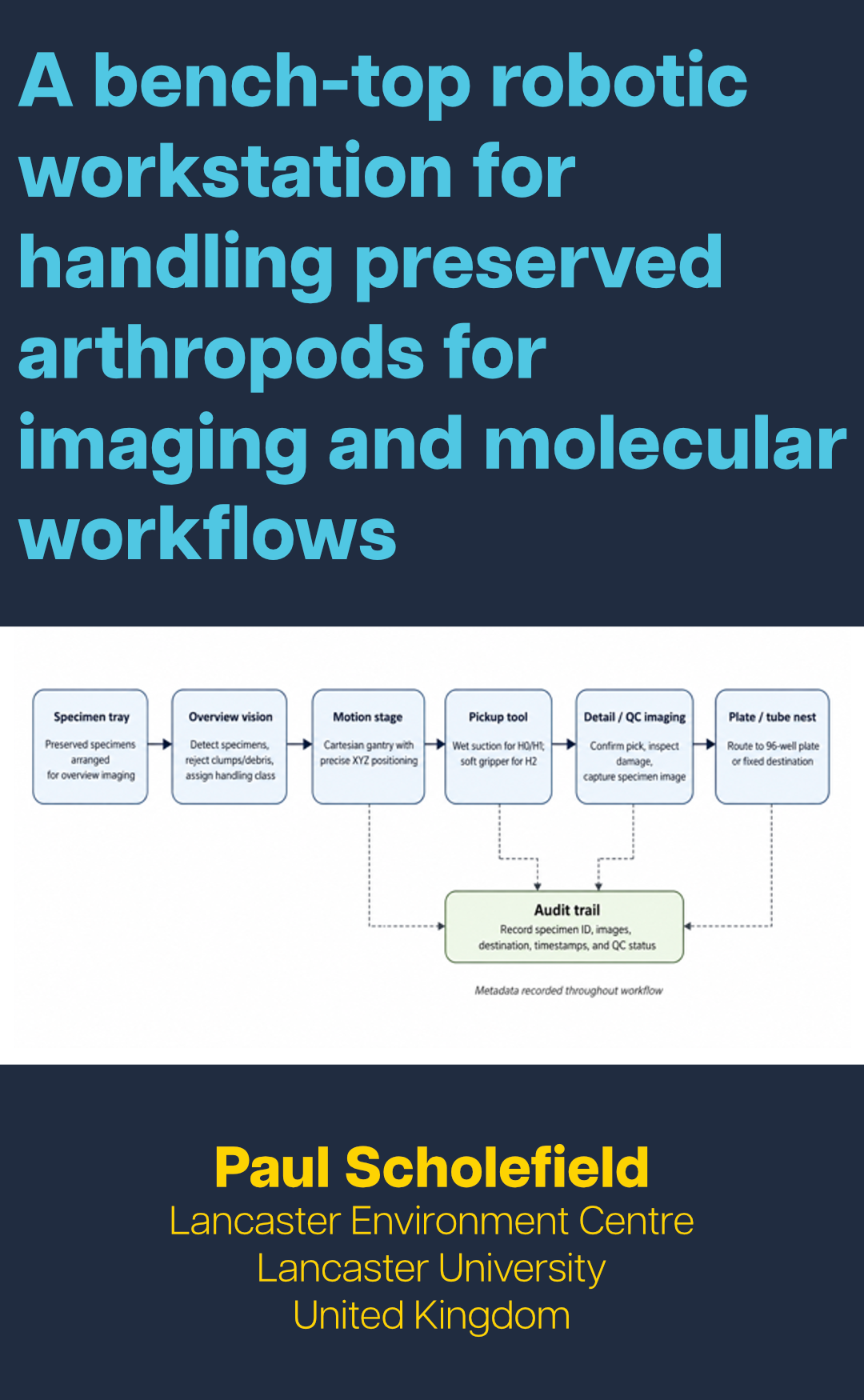
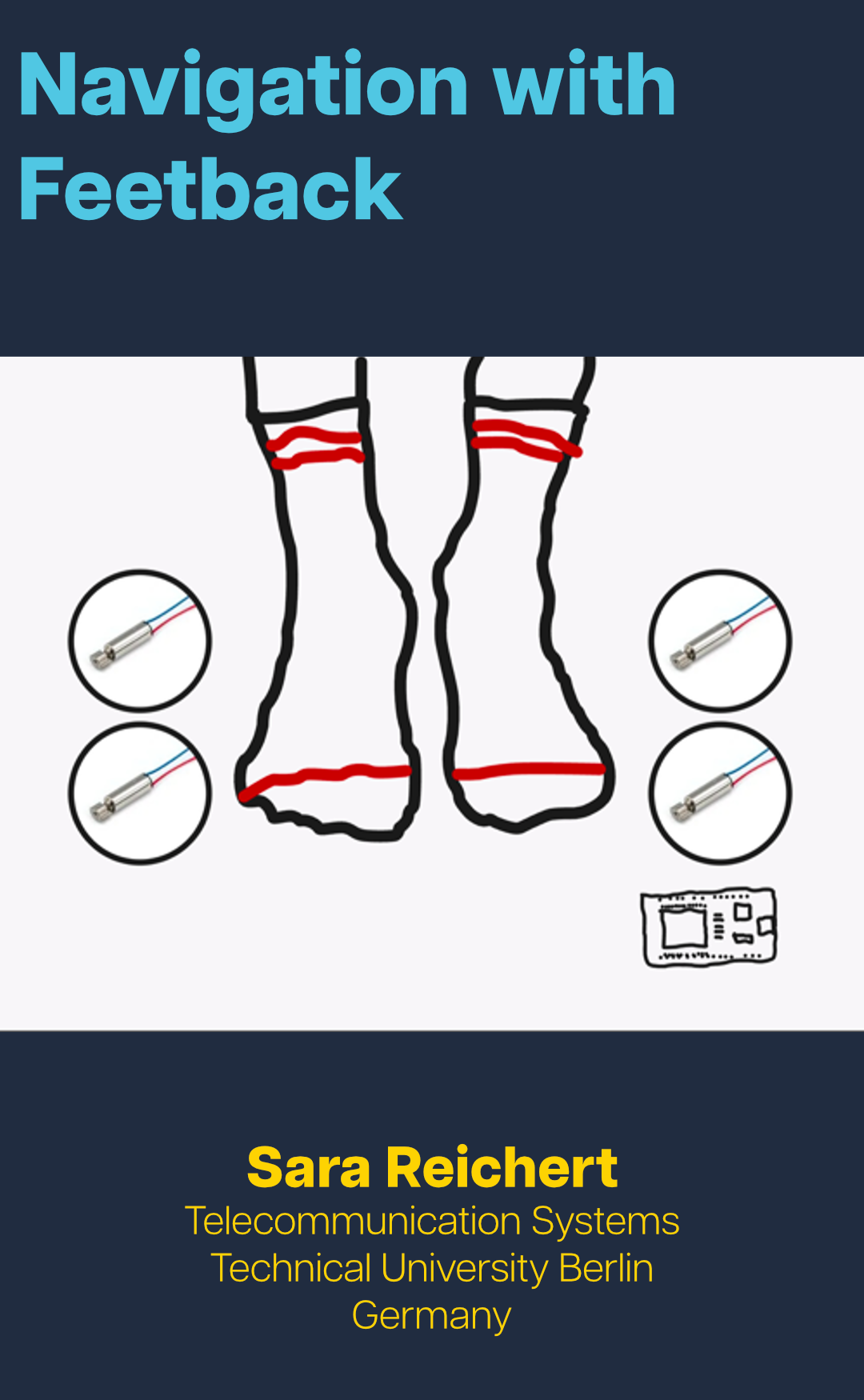
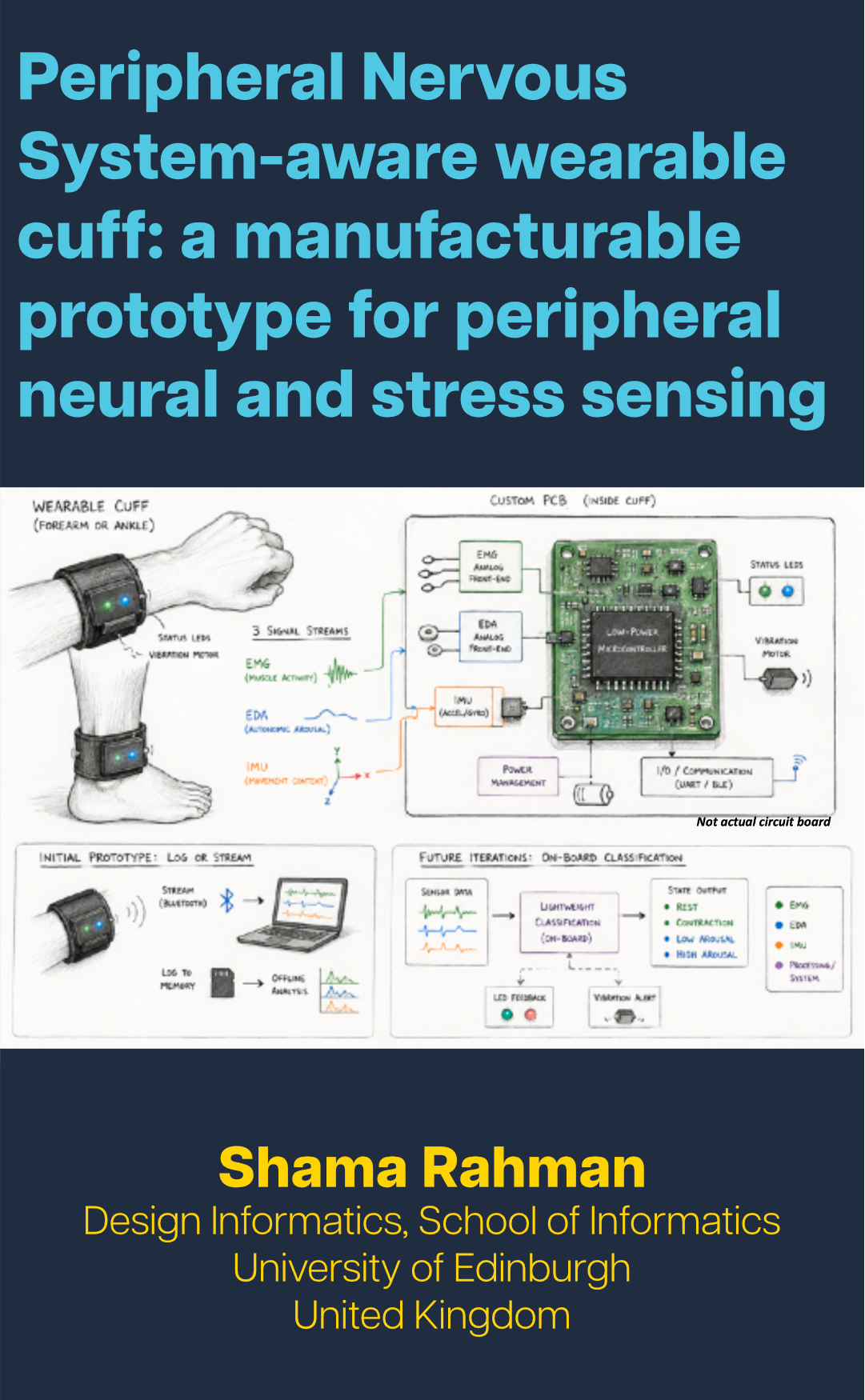
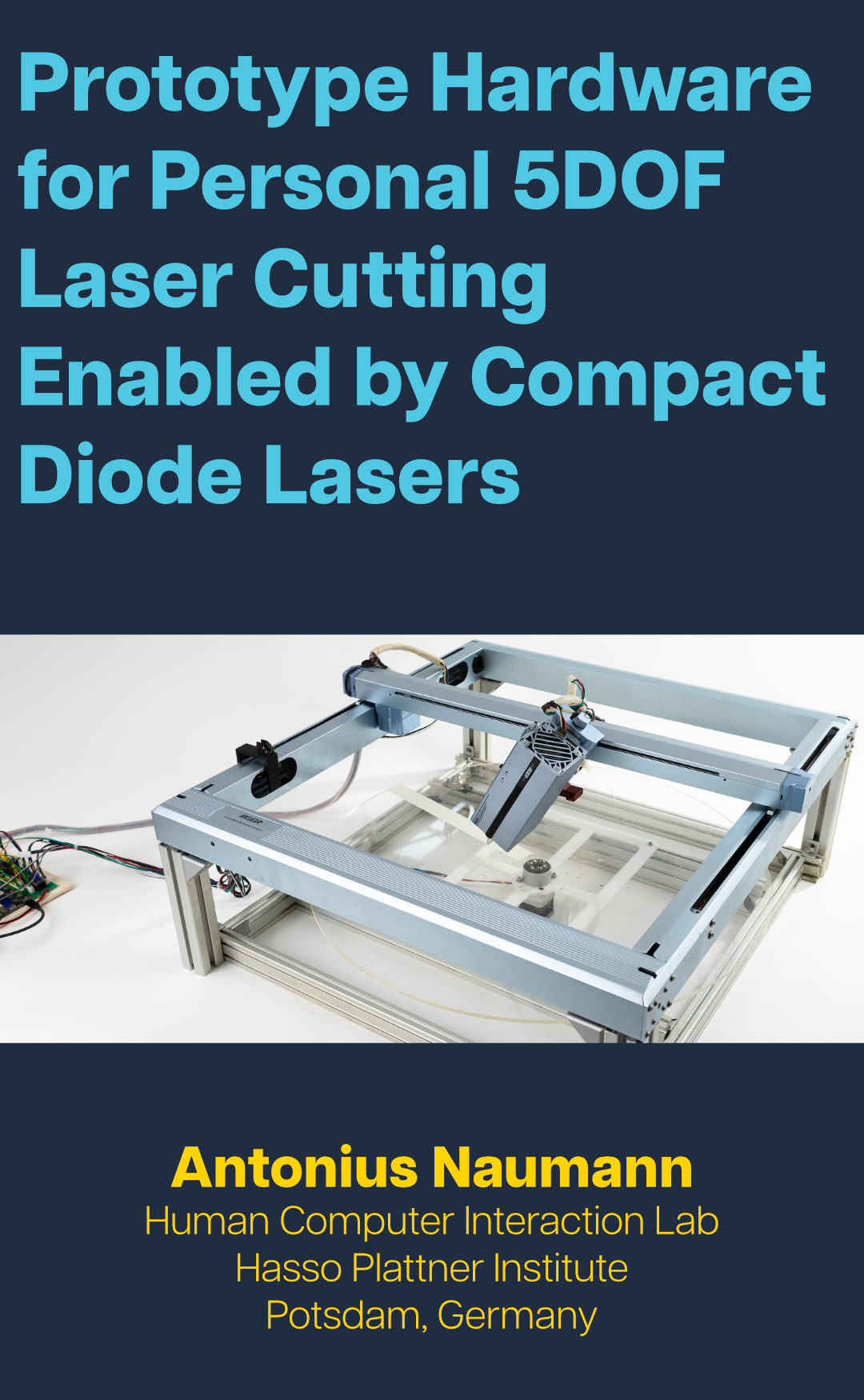
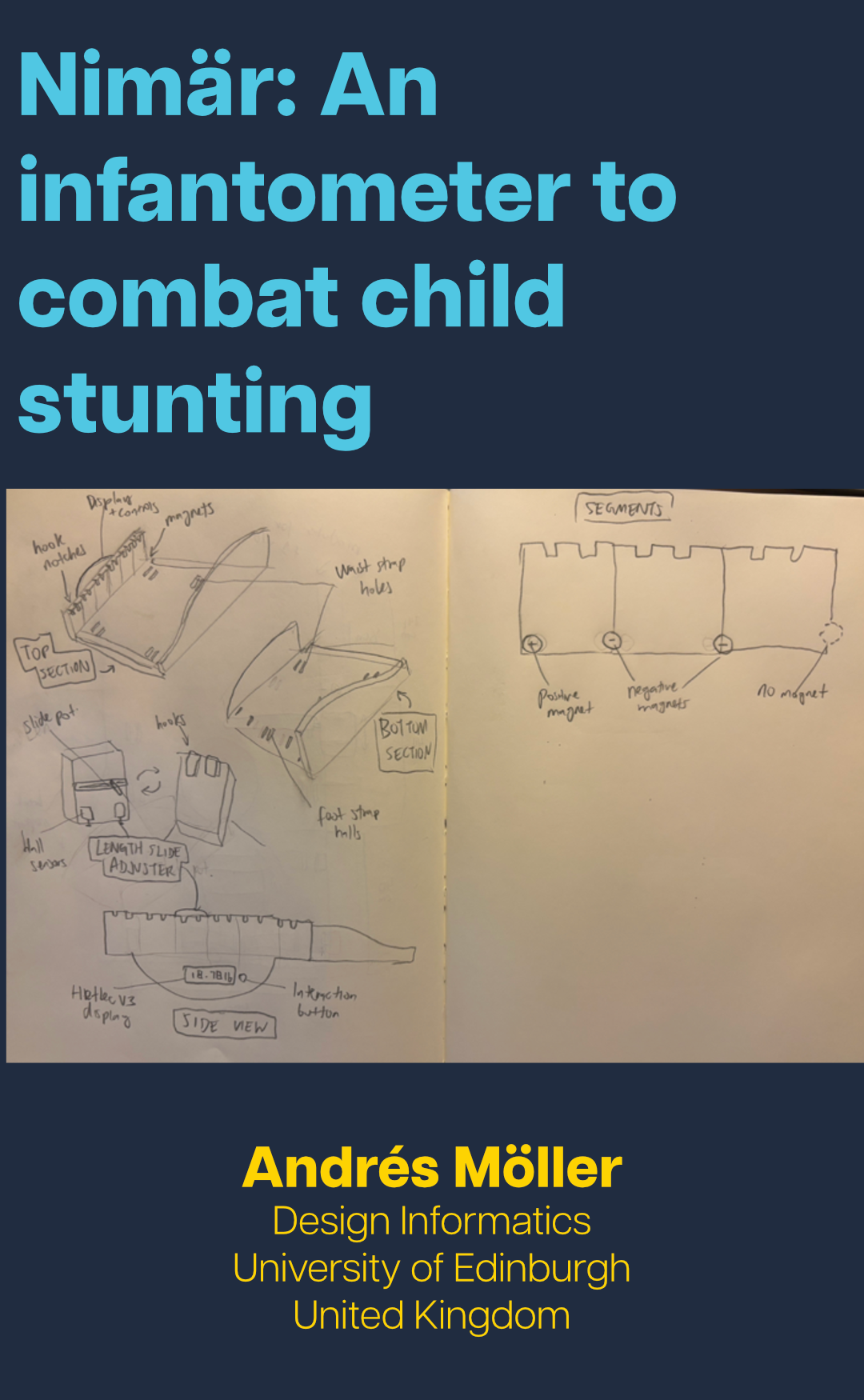
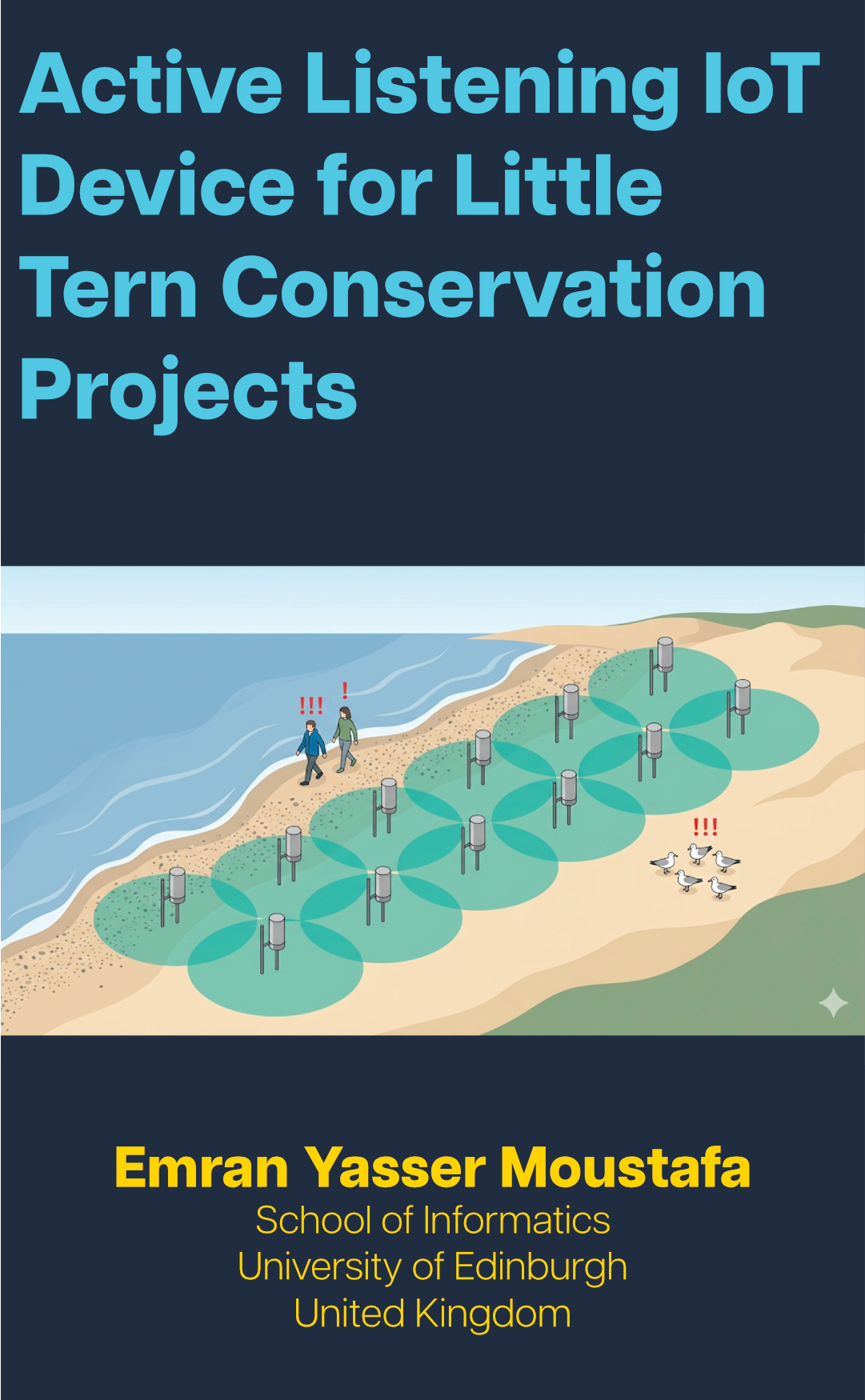

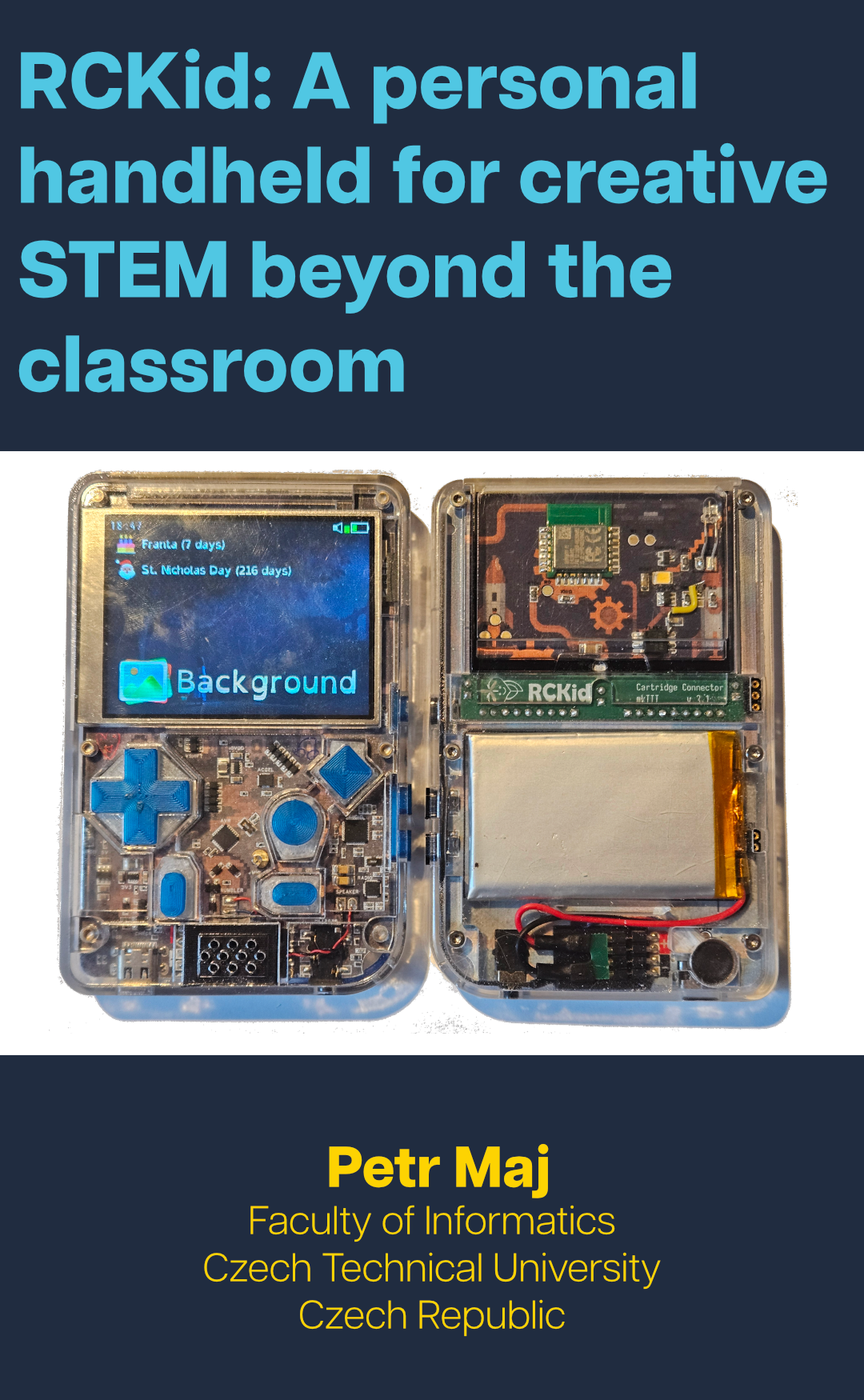
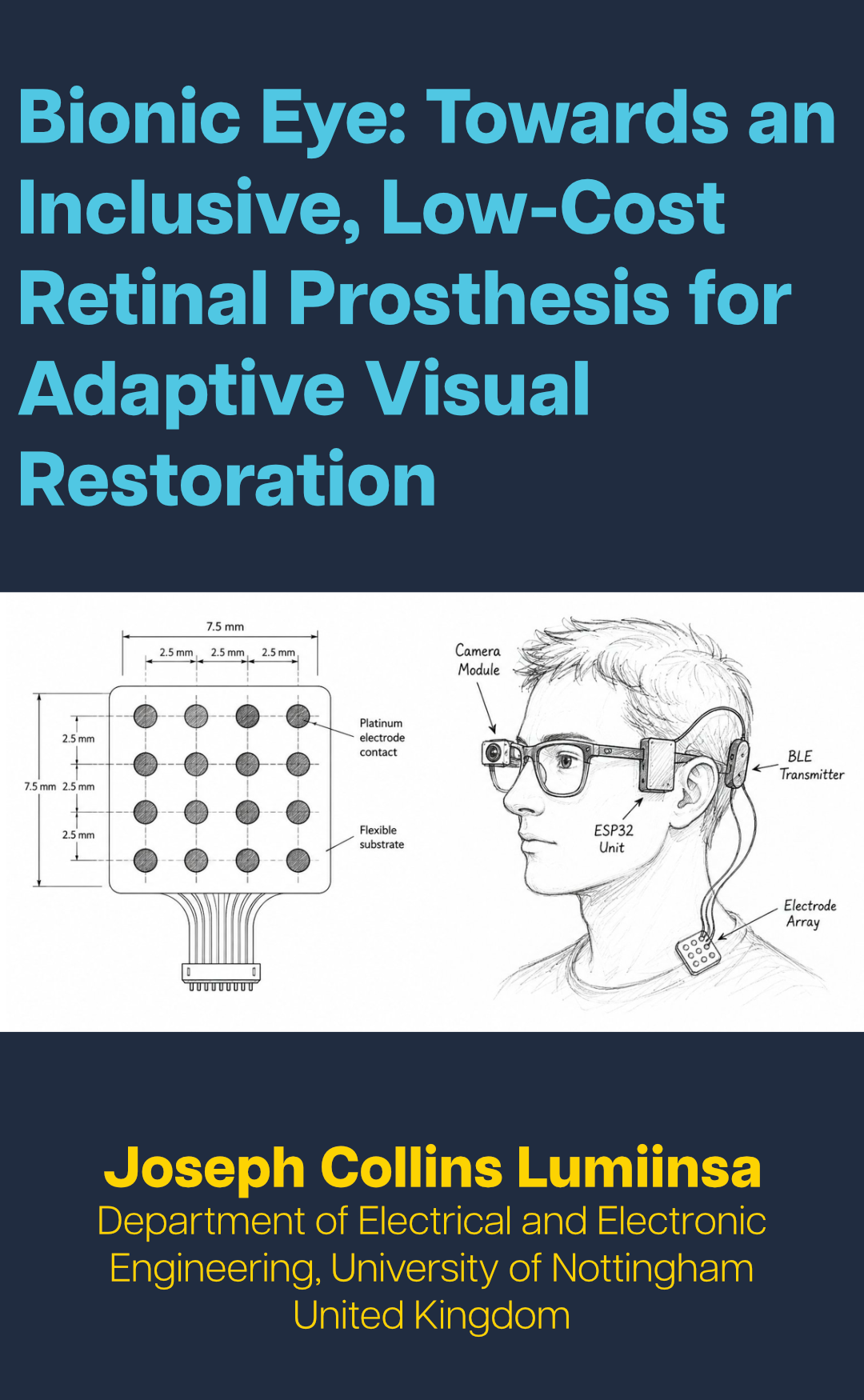

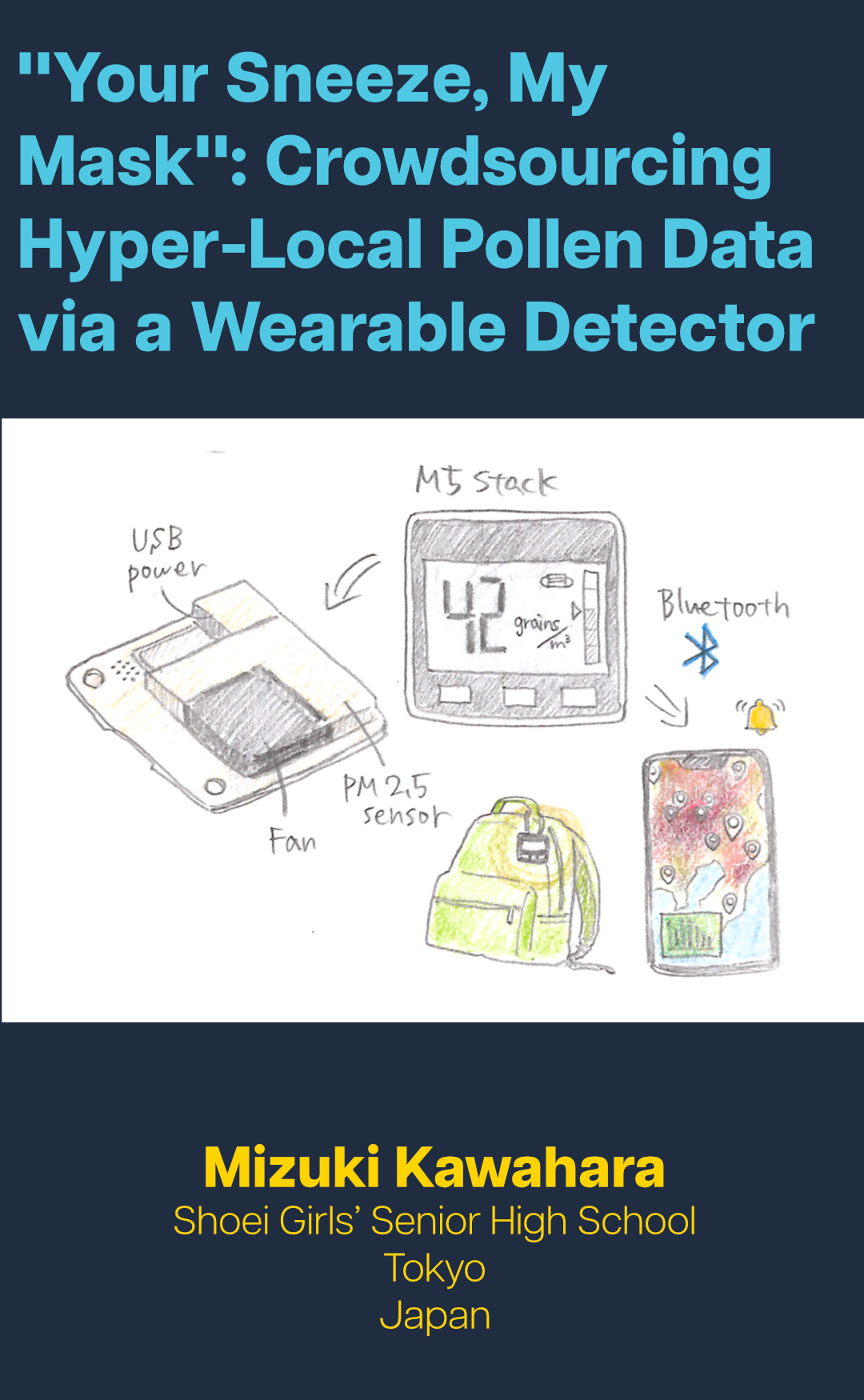
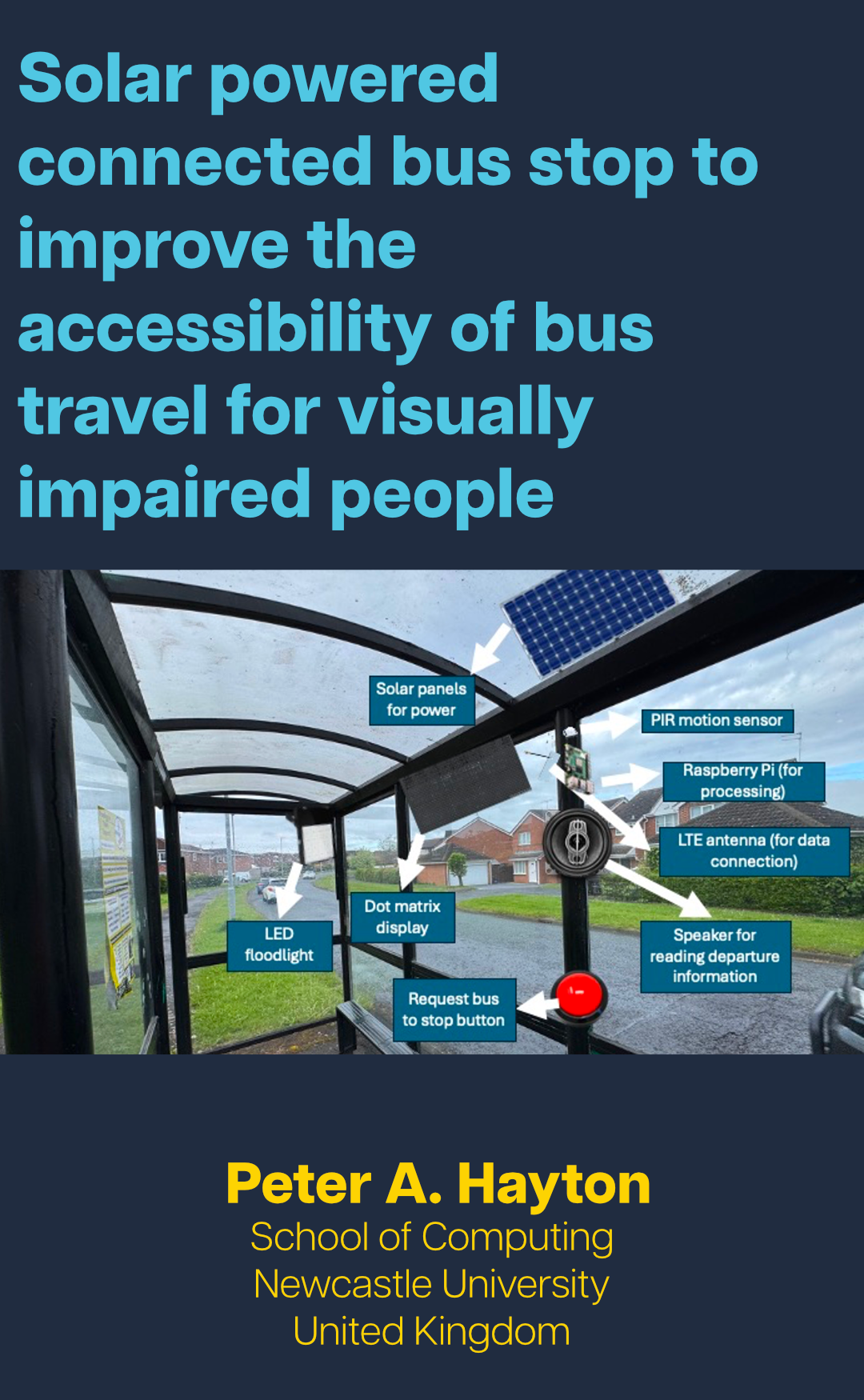
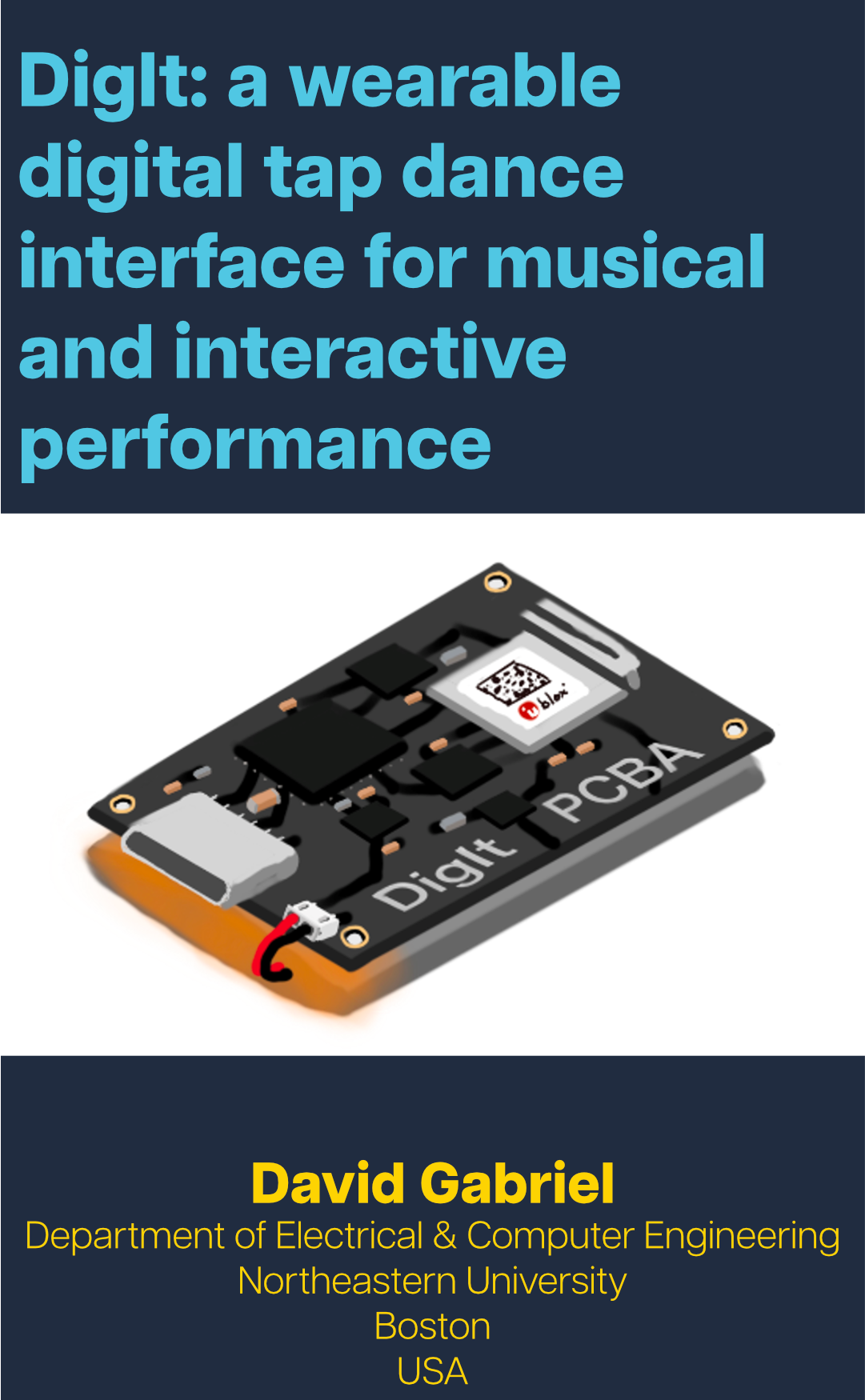
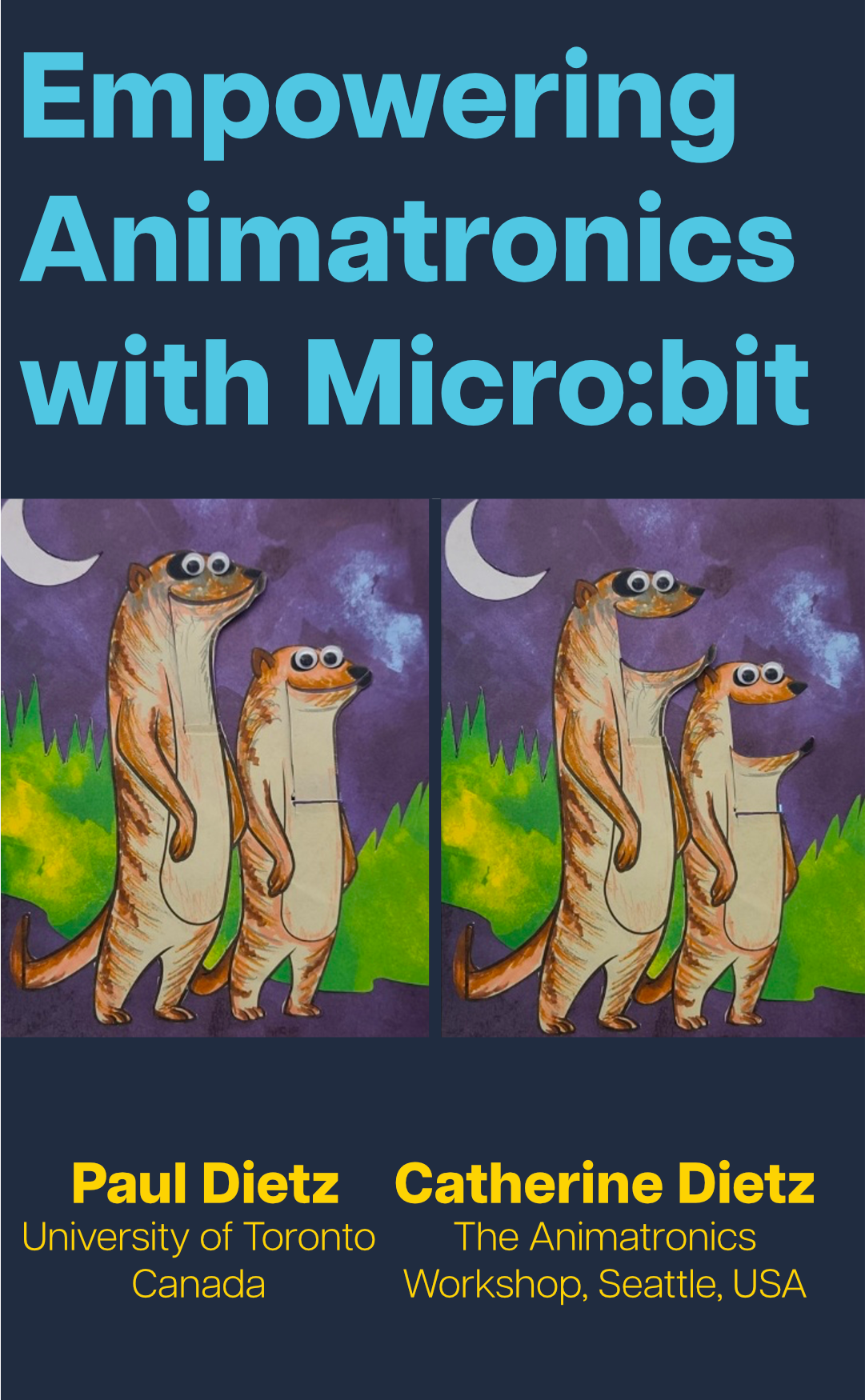
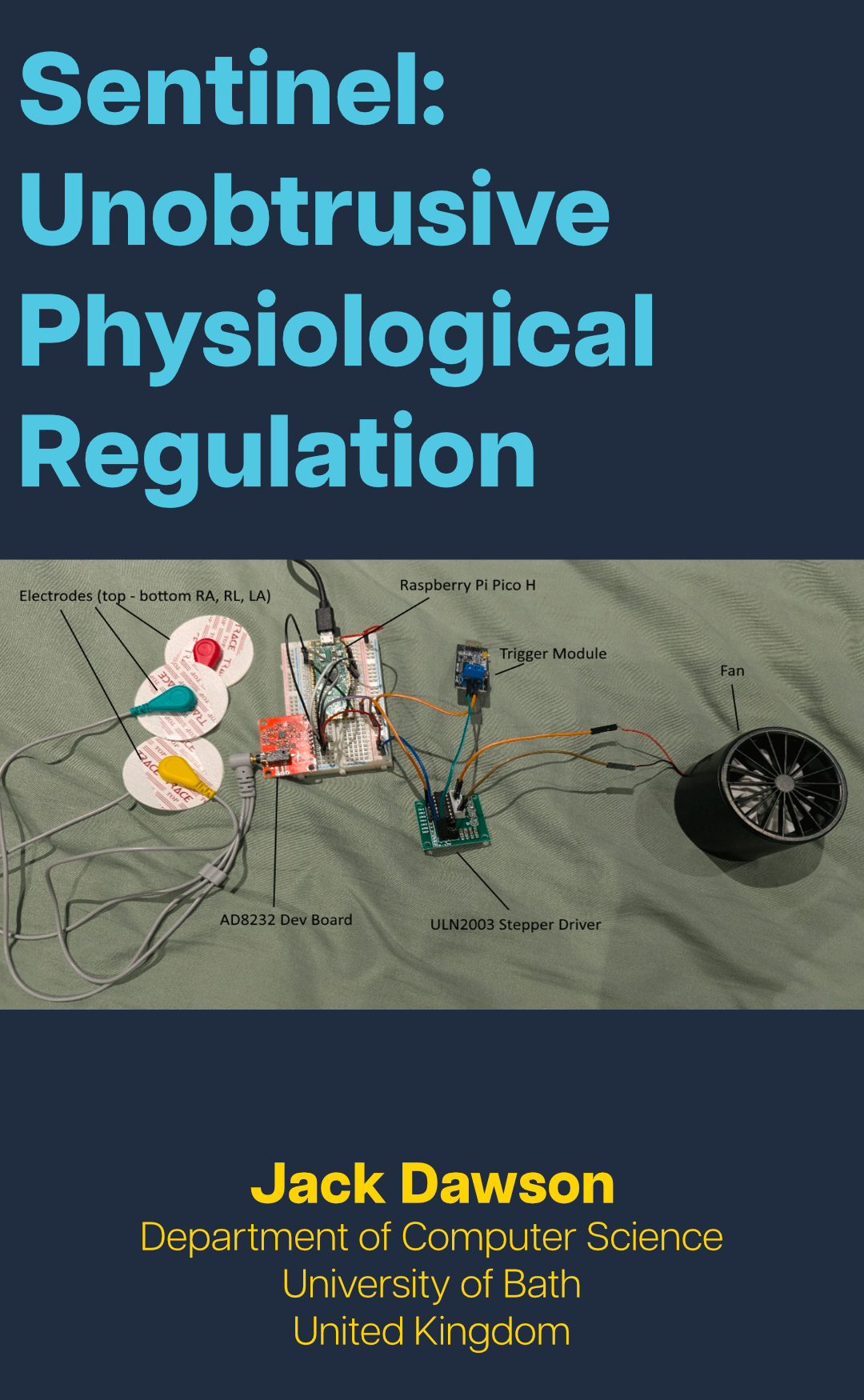
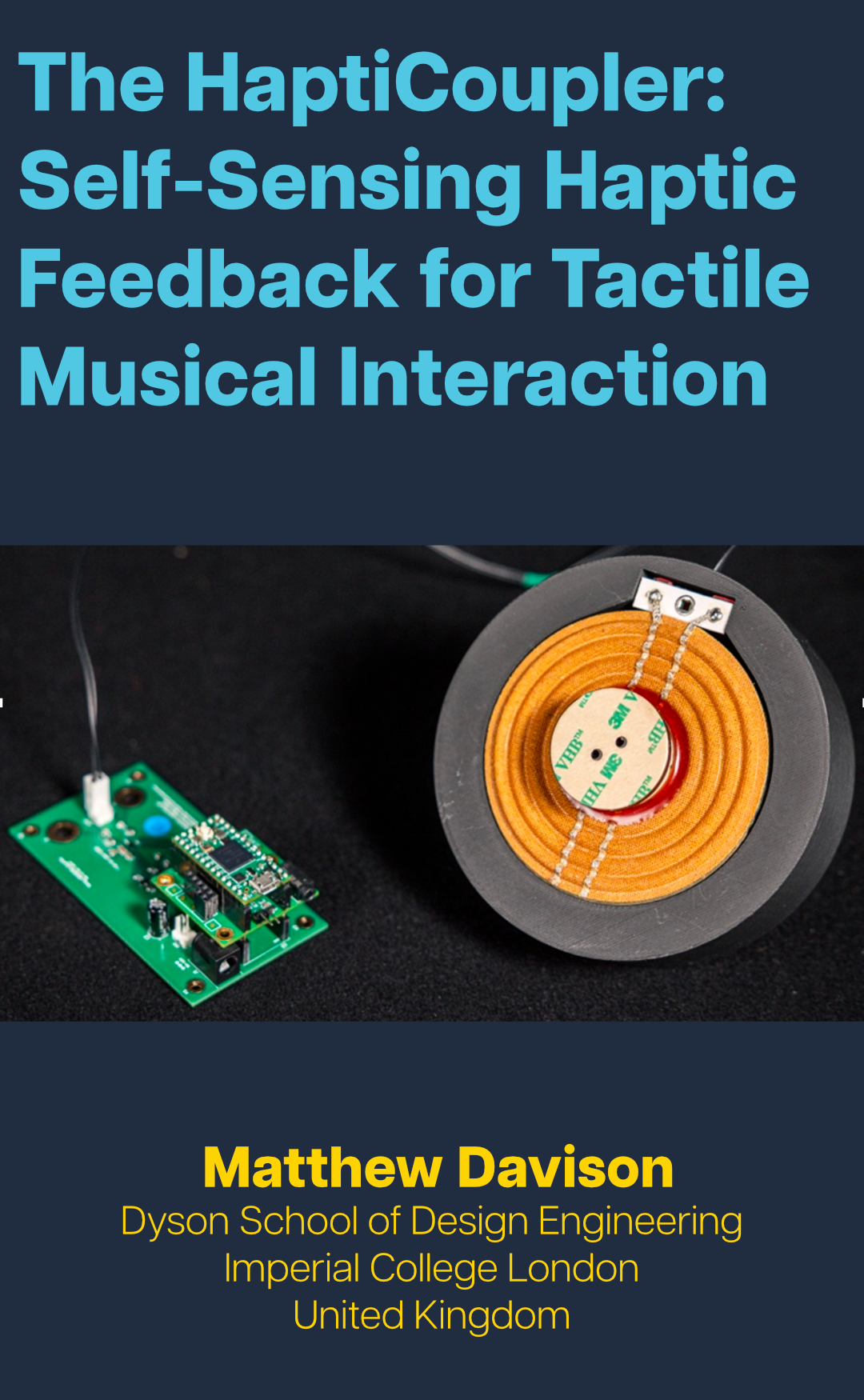
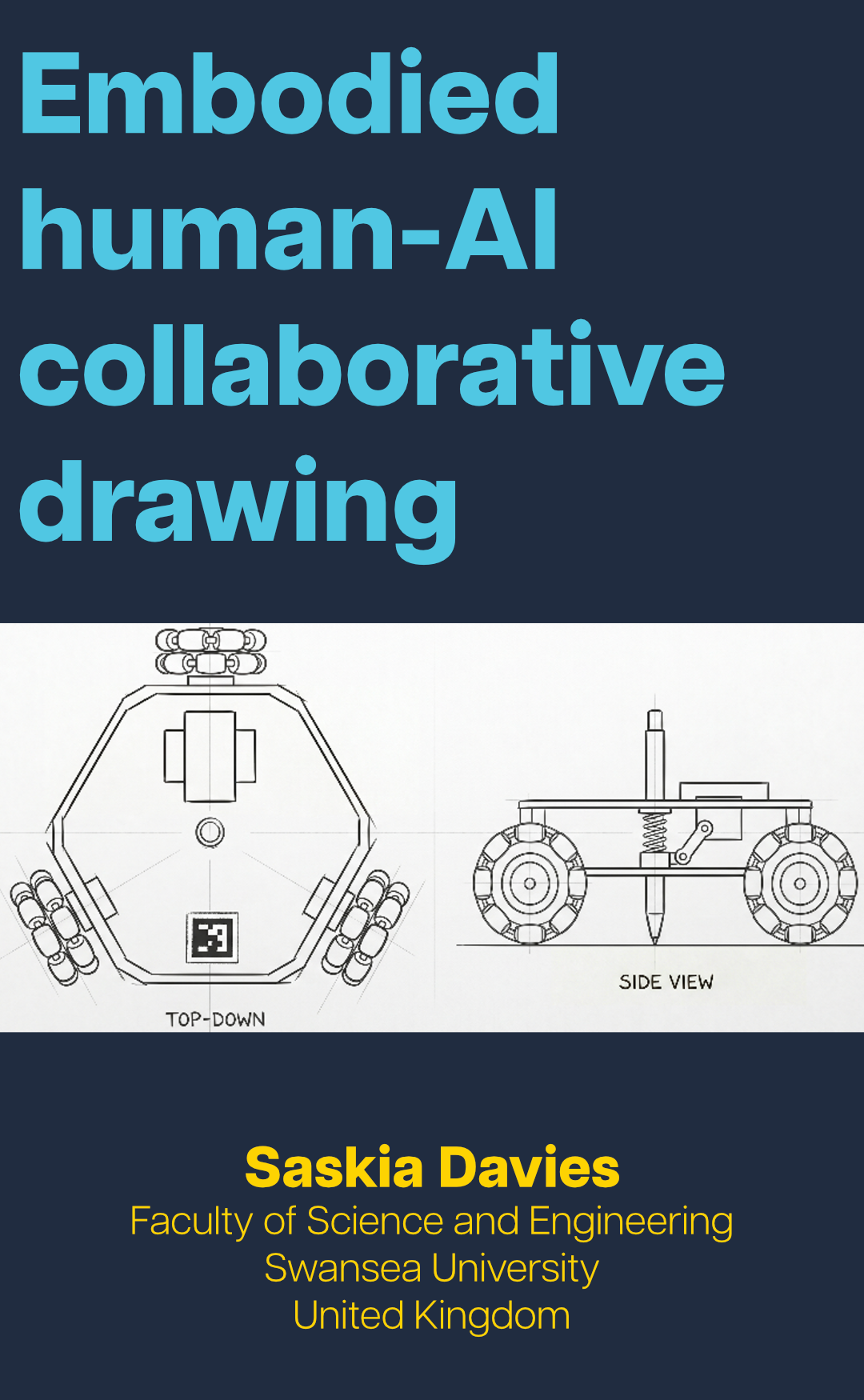
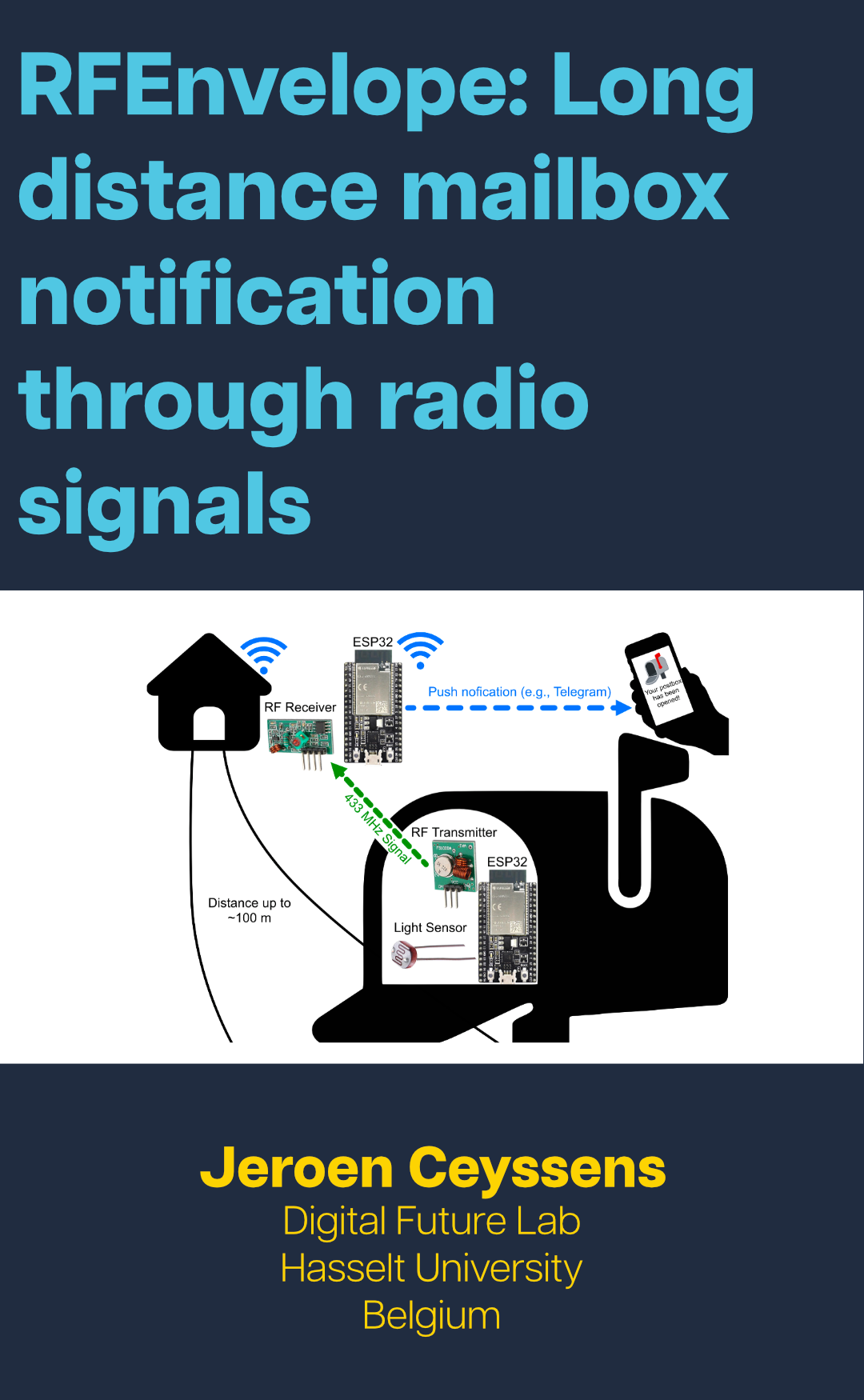
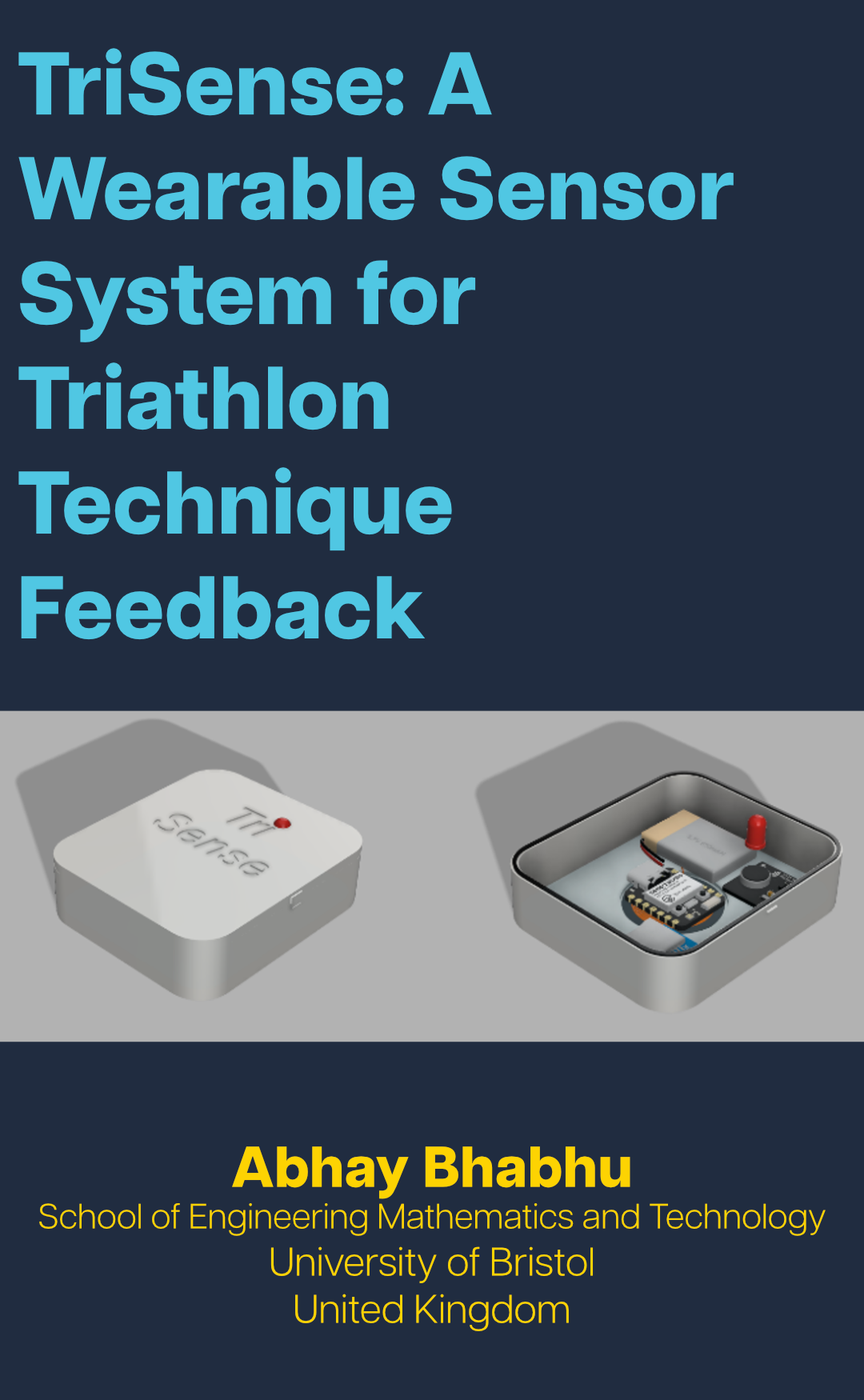
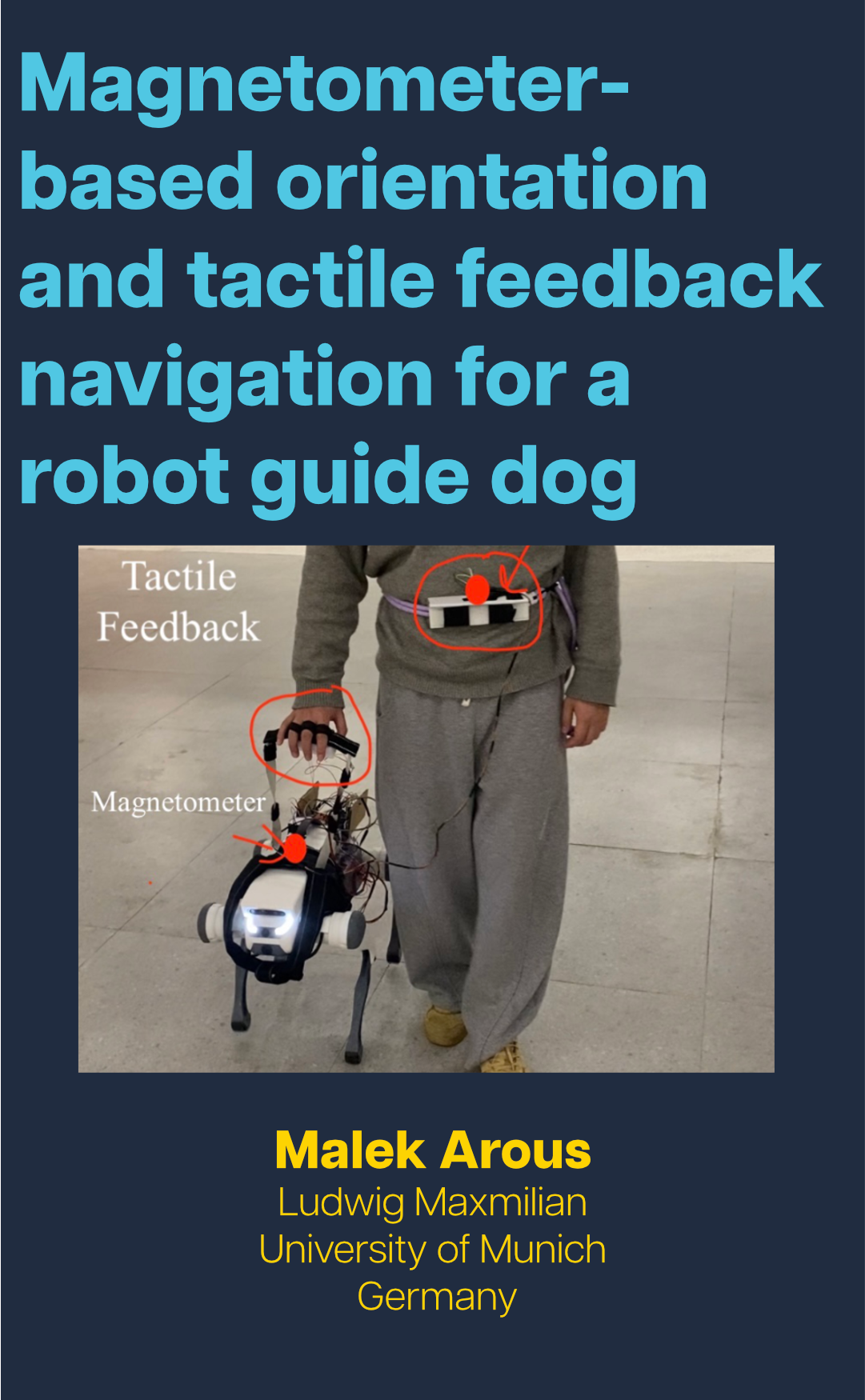
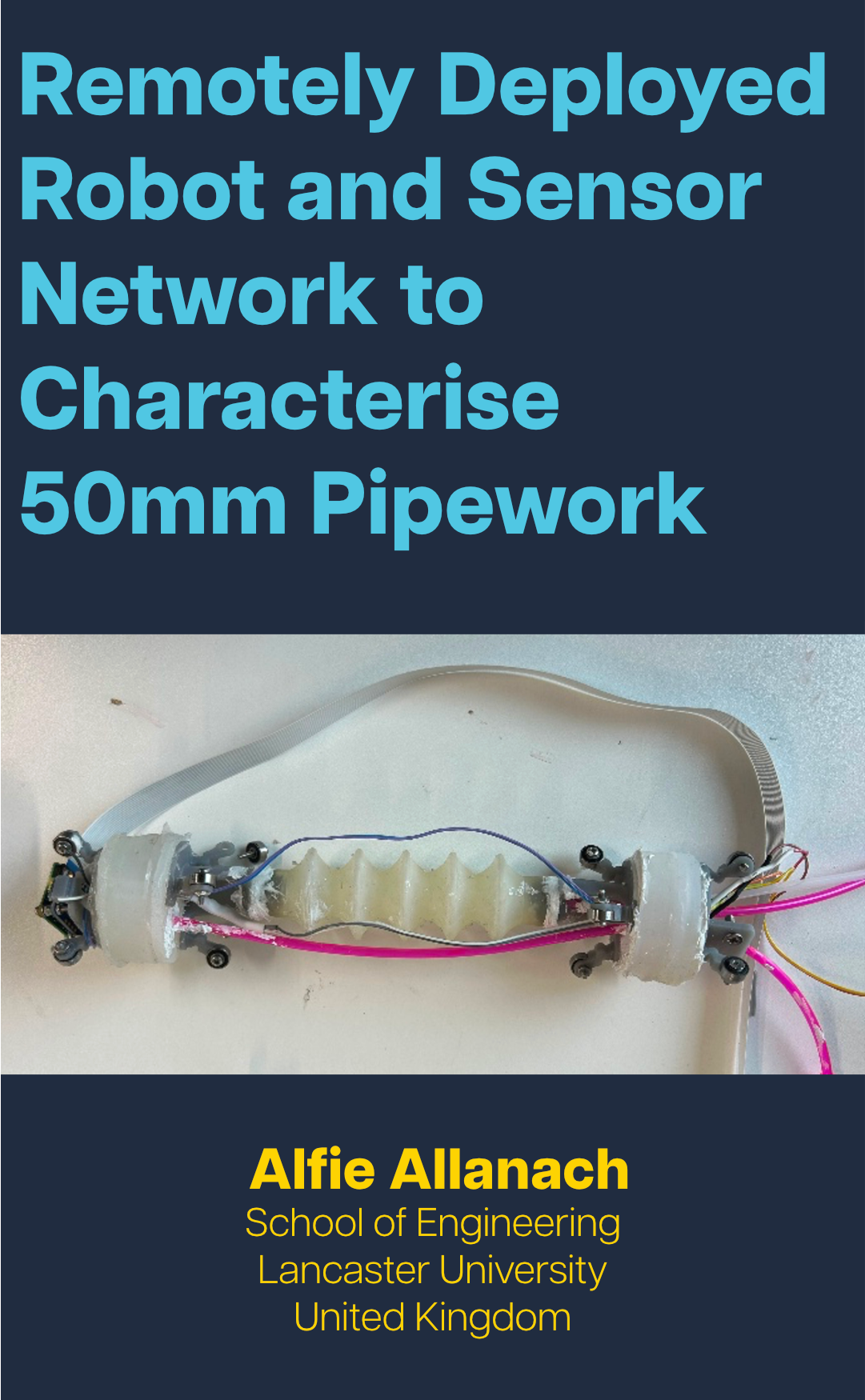

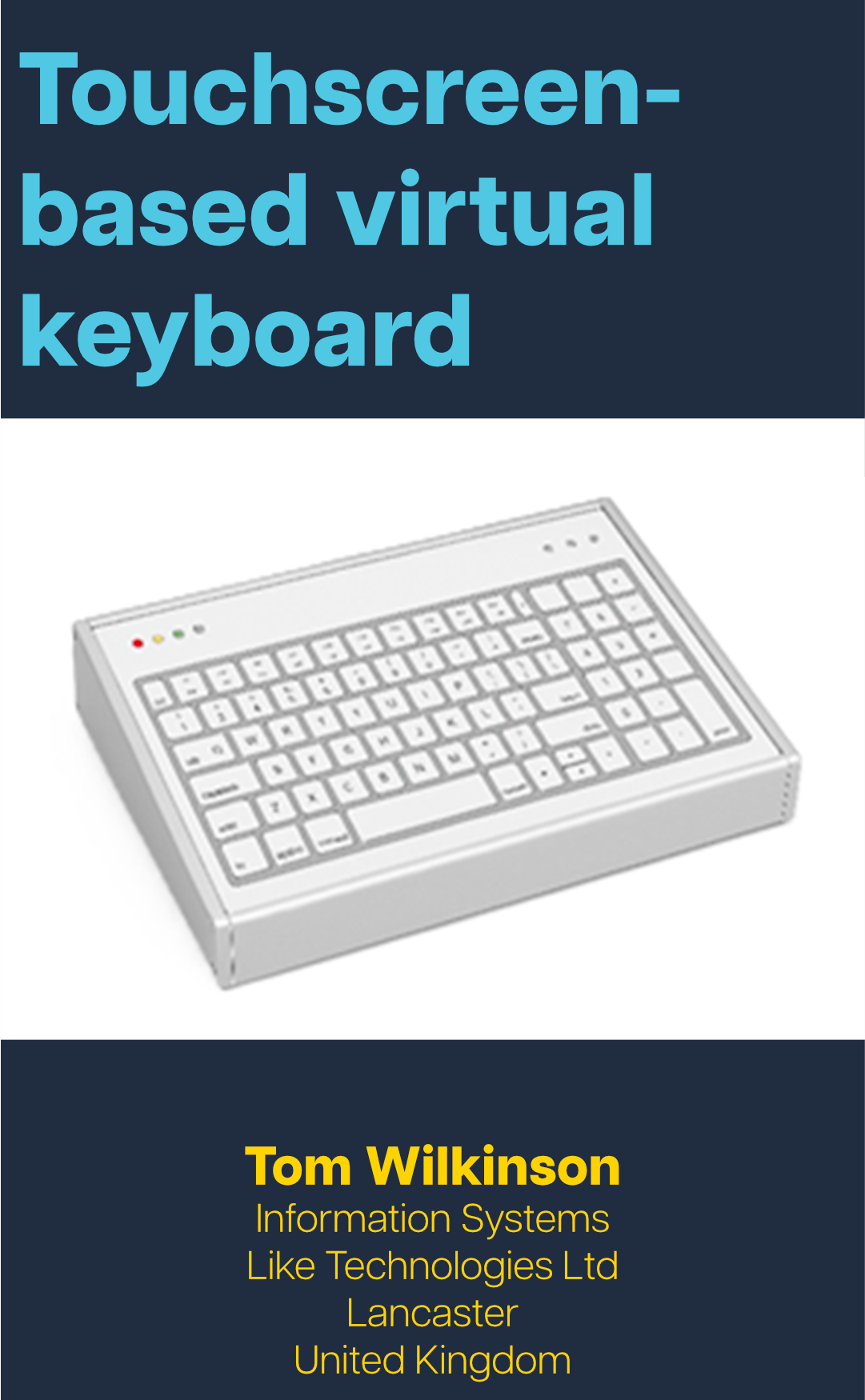

Delegates
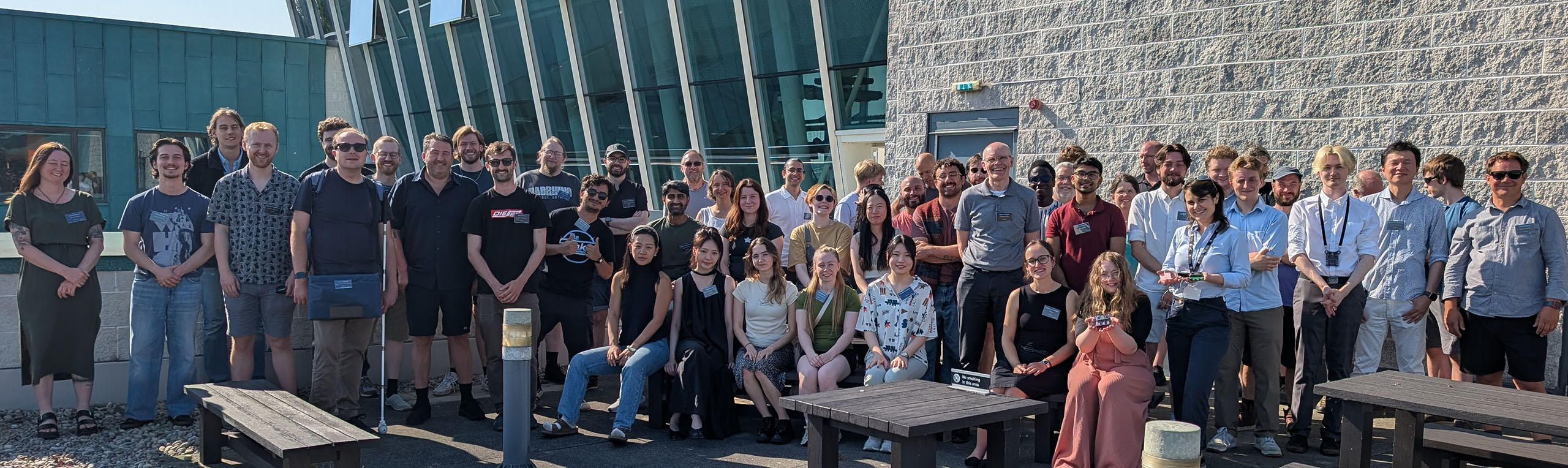
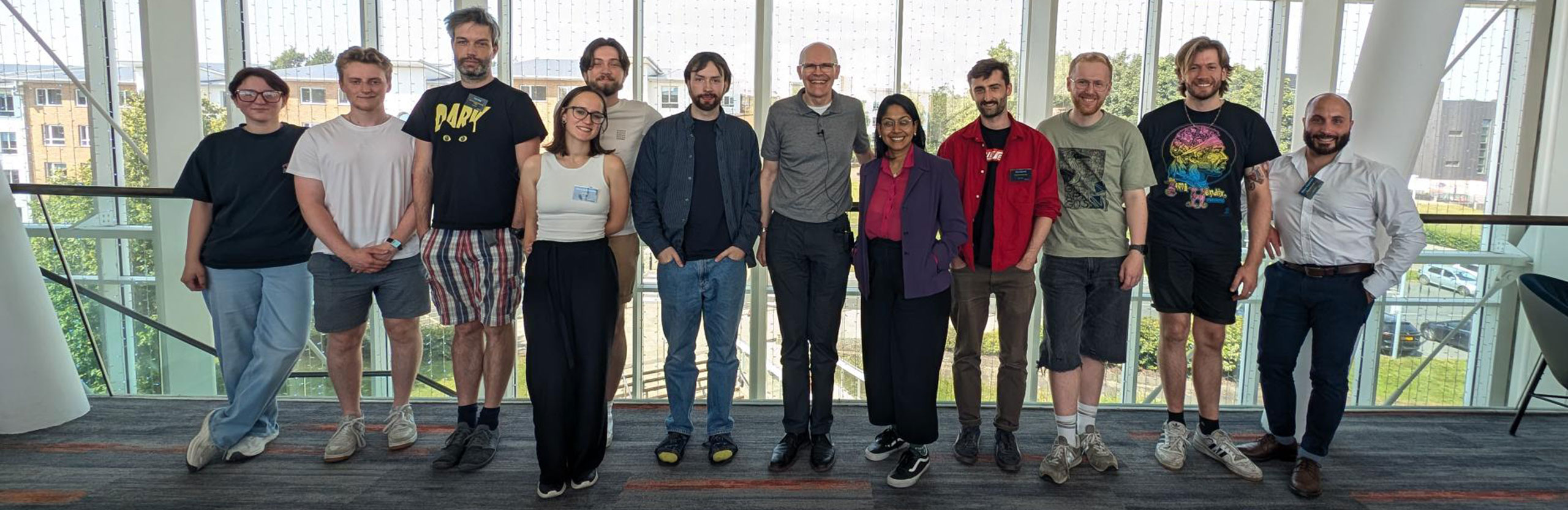
35 delegates joined us for the 2026 summer school, representing a wide range of fields, organisations, and nationalities. The three and a half day event provided ample opportunities for knowledge exchange and networking around a shared passion for making devices.
More about the summer school and what our delegates had to say about it:

Patrycja Kukielka

pro² Network+

Competition Winners
Among the papers submitted to the summer school, ten £250 awards and one £1,000 award were granted to those that showed the greatest potential for impact. The funding will go toward the further development of device prototypes.
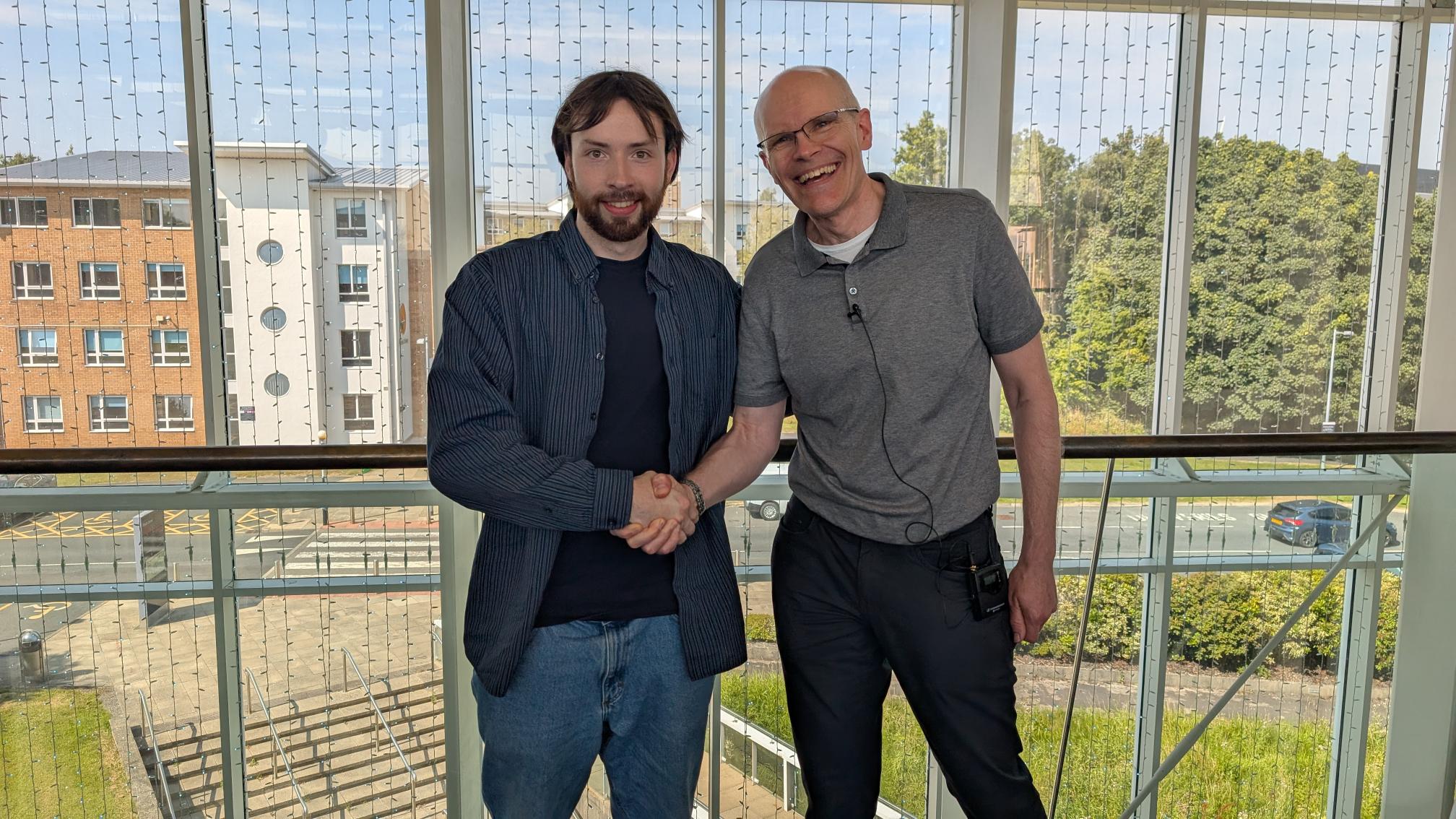
£250 Award Winners
The following individuals were awarded a £250 prize: Petr Maj, Oisín King alongside co-authors Patrycja Kukielka and Ruaidhri Sinnott, Matt Davison, Malek Arous, Shama Rahman, Gabriela Martinez, Adam Schmidt, Ben Morris, and Marco Rapaccini.
Summer School Presenters

Steve Hodges
Professor at Lancaster University
Is an internationally recognised leader in interactive and embedded device creation. He has built and deployed prototypes at all scales, and many of these have transitioned to volume production resulting in millions of devices in market globally.
Joe Finney
Professor at Lancaster University
Is a global figure in empowering non-experts to innovate with technology, in particular helping them to learn about and build lightweight embedded systems. His work has also led to millions of embedded devices that are in daily use around the world.

Nursel Dogar
Global Business Development Manager at Farnell
Nursel Dogar is a Global Business Development Manager at Farnell, working with the Micro:bit Educational Foundation for broadening the impact of micro:bit globally. Nursel has more than 20 years’ experience in every stage of the product lifecycle from design, test to volume production. She holds a MSc in Electrical and Electronics Engineering from University of Leeds.

Paul Dietz
Inventor, Maker and Affiliate Professor at the University of Washington
Paul Dietz is a former Disney Imagineer who is bringing animatronics and other storytelling projects to the classroom. He is best known for DiamondTouch – an early multitouch system that helped launch the touch interface revolution. Currently, he holds faculty appointments in Computer Science at both the University of Toronto and the University of Washington and teaches courses on prototyping and physical computing.

Simon Monk
Author and Product Designer at Monk Makes
Known for being the author of books on electronics and programming, including the best-selling ‘Programming Arduino’ and ‘The Raspberry Pi Cookbook’. He’s sold over 800,000 books worldwide and his books have been translated into 10 languages. These days he spends most of his time designing products for MonkMakes and improving their manufacturing process at their workshop in Lancashire, UK.

Yoshihiro Kawahara
Professor at the University of Tokyo
Yoshihiro Kawahara is a Professor at the University of Tokyo, specializing in ubiquitous computing and Physical AI. He creates innovative smart materials and soft robots by leveraging the properties of digitally fabricated matter, including 4D printing. His ongoing work tackles the challenge of integrating these advanced substrates with morphological computation to achieve embodied intelligence.

Jonathan Fiene
Founder & CTO of Bergsonne Labs
Jonathan Fiene is the technical architect and lead engineer behind the Tiles modular embedded-intelligence platform. Since his Ph.D. from Stanford, he spent a decade teaching hands-on courses in mechatronics, design, manufacturing, robotics, and entrepreneurship at the University of Pennsylvania, and now leads a robotics design and prototyping group at the Max Planck Institute for Intelligent Systems in Stuttgart, Germany.

Mike Fraser
Professor of Human-Computer Interaction and Head of the School of Computer Science at the University of Bristol
In addition to his roles as Professor and Head of School at the University of Bristol, Mike is also the Chair of the pro² network+ Steering Group. His research interests relate to how computers are made, what they are made from, and how we might support individuals with limited resources to make their own computers.

Anne Roudaut
Professor of Human computer interaction
Dr. Anne Roudaut is Professor of Human Computer Interaction at the University of Bristol, where she leads the Bristol Interaction Group (BIG). Her research explores programmable materials, shape changing interfaces, robotics, and human centred design, creating new forms of interactive technologies that seamlessly integrate into everyday life.

Lorraine Underwood
Senior Teaching Associate at Lancaster University
Lorraine Underwood is an internationally published researcher in computer science education, with a particular focus on physical computing. She has built and developed prototypes for teachers and students to use in classrooms around the UK. Lorraine also creates and films personal electronic projects for element14 part of Avnet, the world’s 2nd largest electronic distributor.

Heather Shaw
Lecturer in Psychology at Lancaster University
Heather Shaw is a Lecturer in Psychology and Behavioural Analytics. She is interested in the study of digital footprint data, and how this can provide information about peoples habits and characteristics. She also explores interdisciplinary methods for psychological assessment, with a focus on the ethics of utilising new technologies in research.

Aron Eggens
PhD Student at Lancaster University
Researching methods to make hardware design and production easier.

John Vidler
Senior Research Associate at Lancaster University
John has research interests in data science and was awarded a prize for teaching by Lancaster University.

James Hahn
PhD student at Lancaster University
Researching methods to make hardware production easier.